
 Image 1 of 3
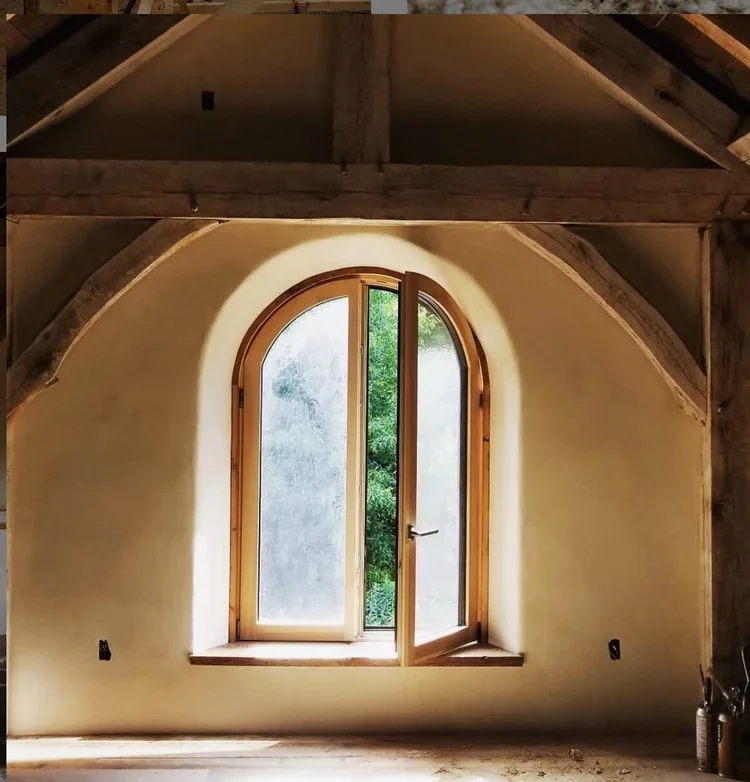 Image 2 of 3
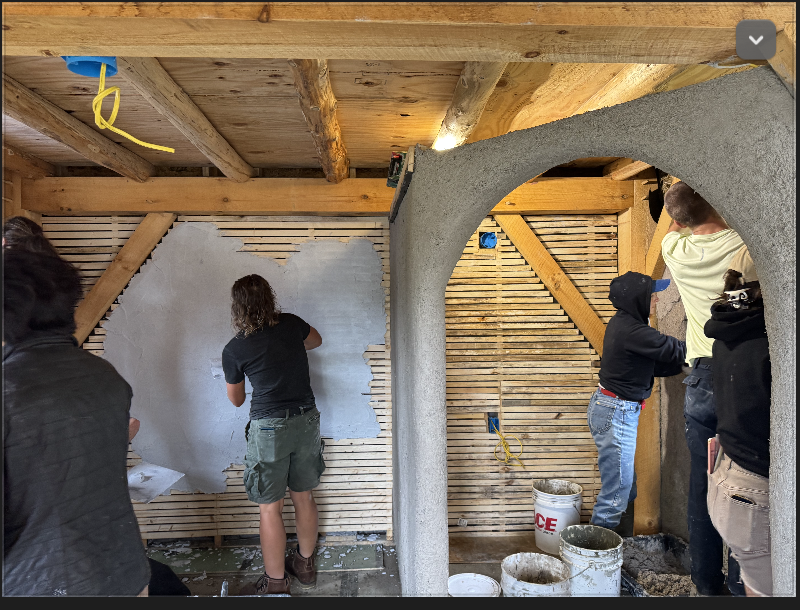 Image 3 of 3
About the Workshop
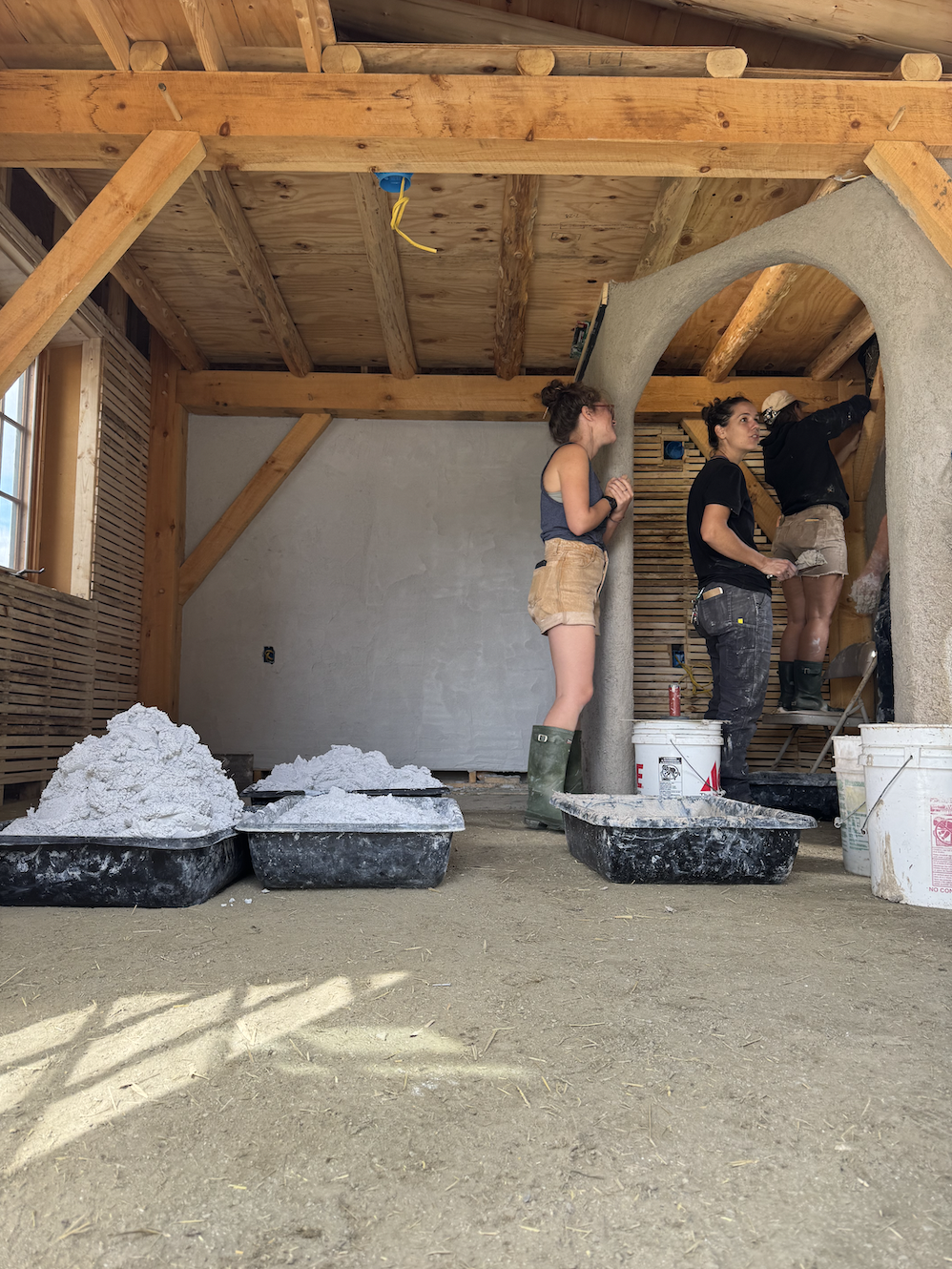
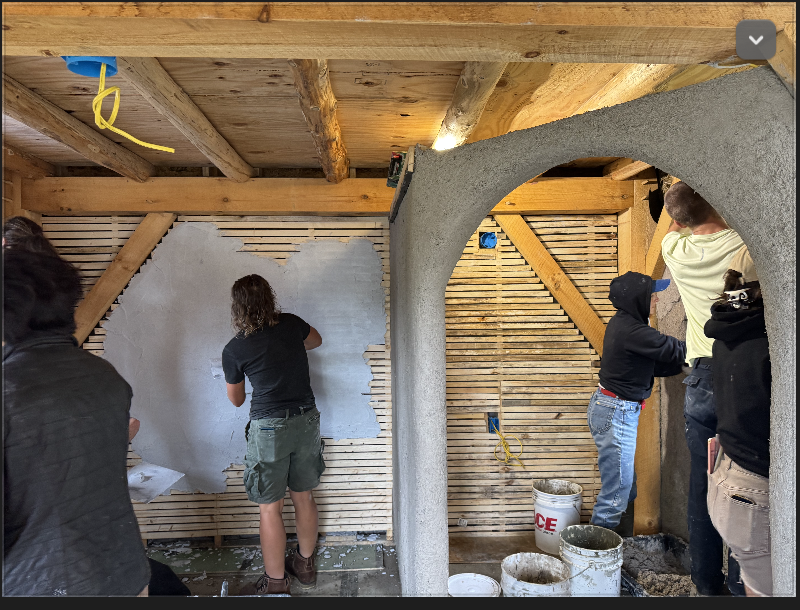
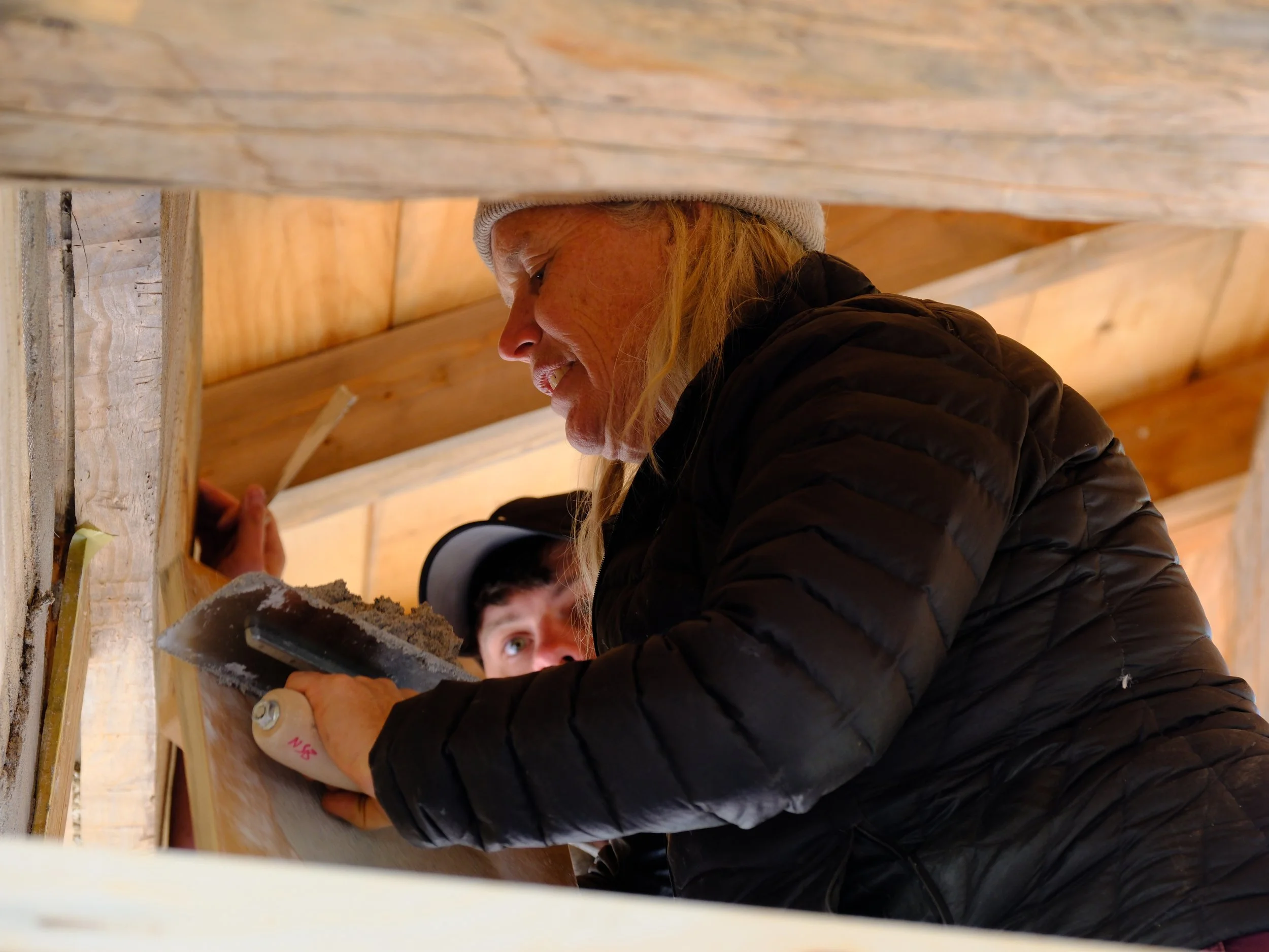
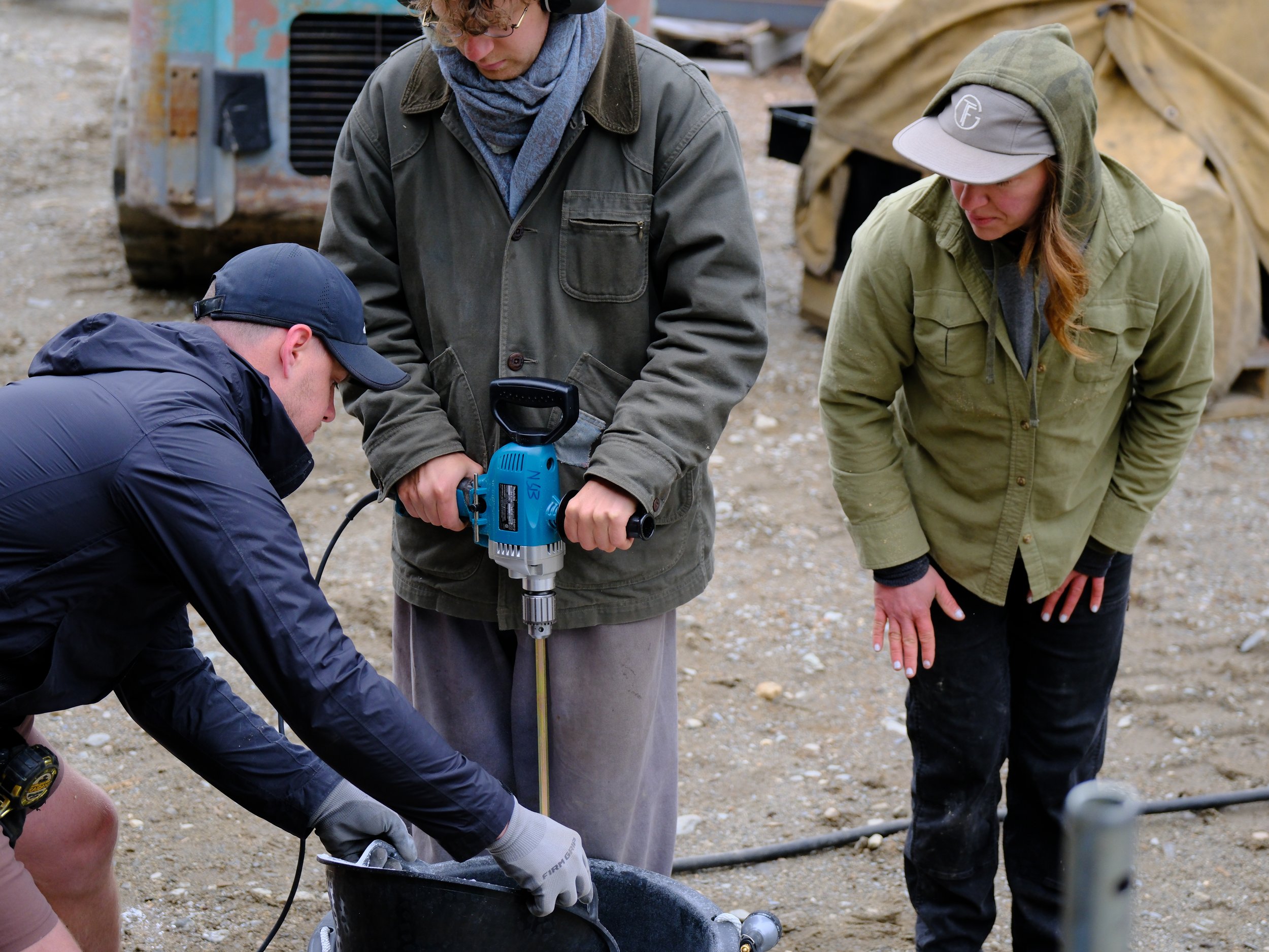
This class focuses on the theory and hands-on application and technique in sourcing, mixing, creating and applying various types of clay and lime plasters and paints. Students will be working directly on buildings on the property. Base coats will be applied to some frames, and finish coats to others, giving participants experience at multiple stages of the plaster process within real structures. You will leave with practical recipes, material knowledge, and a working understanding of how natural plaster systems both integrate with traditional timber framing, and can be applied to your own home or project.

Topics Covered
The role of clay and lime as binders in traditional natural plaster systems and breathable wall assemblies
How plaster integrates with timber frames and traditional Japanese building methods
How to source raw materials and mix your own clay and lime plasters from scratch
Selecting and preparing wood lath for plaster application
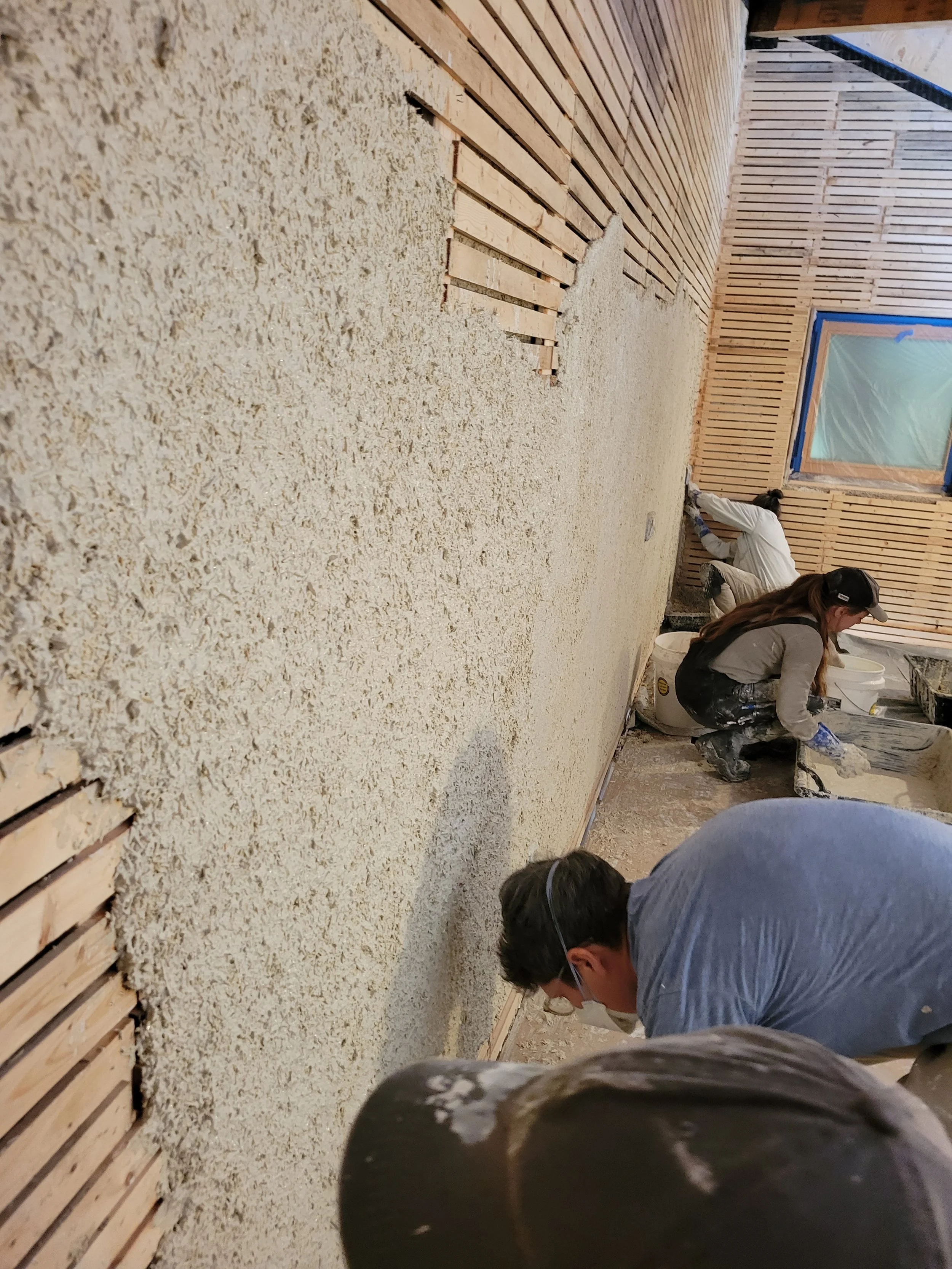
Applying clay and lime base coats over wood lath
Applying finish coats for durability and aesthetic refinement
Understanding plaster application across different substrates, with primary focus on staged clay and lime work over lath
Mixing and applying clay and lime paints and washes over natural plaster surfaces
Systems Covered
This is a hands-on sampler class centered on the following systems:
Scratch, level and finish coats over wood lath
2 coat veneer plaster, both clay and lime over wood fiber board
Clay and lime based paints and washes to go over natural plaster
Discussion of other substrate applications: hemp, straw bale, drywall, earthen masonry
Discussion of substrate preparation and long-term durability in timber frame buildings
The Wabi Sabi School Experience
We are looking forward to welcoming you to our campus for an immersive learning experience. Learning a craft is so much more than the technical details -- it's the mindset you bring to the work, the patience you practice, and the community you find yourself in.
We enjoy the camaraderie that our workshops naturally cultivate, and we highly recommend camping on site and taking full advantage of the provided meals. Some of the best learning happens around the breakfast table or the fire circle, not just during formal instruction.
Our campus is a working property in the woods of central Maine, a place where we take care of the tools, the materials, and each other. We ask that everyone who comes here brings that same intention.
Please take a few minutes to review our property expectations and class policies, which covers our standard daily routine, shop hours, and what to expect when you arrive. Arriving prepared means we can spend our time together doing what we came to do.
We'll see you soon.
Included with Tuition
Meals Included - This workshop includes breakfast, lunch and dinner on each day with the exception of the last day, where only breakfast and lunch are served. Meals are typically brought in or cooked family style.
Work Study Options
We offer discounts for professional development and work-study trade, contact us prior to sign up to make an arrangement:
Come 2 Day Early Work Trade = Free full pass to Maine Japanese Woodworking Festival following the workshop.
Come 3 Day Early Work Trade = 50% off workshop price.
Prerequisites
None, come as you are!
Recommended Tools & Supplies
Plaster hawk - wooden, aluminum, poly carbonate (we will have some available)
Gloves, goggles, clothes that can be ruined
Close toe shoes
Notebook
Waterbottle
Utility knife
Optional Tools
Japanese trowels will be available for purchase at the start of the class.
240mm Carbon Steel Japanese Trowel
Small Japanese finish trowel
Buy Tools for this Workshop
All tools, both required and most optional tools related to this workshop are listed below. You may purchase them along with your workshop registration and pick them up at the beginning of the workshop. Not all tools below are required, see above in the class description for the required items. Contact us if you are unsure of what you might need or have a suitable substitute.