
About Us
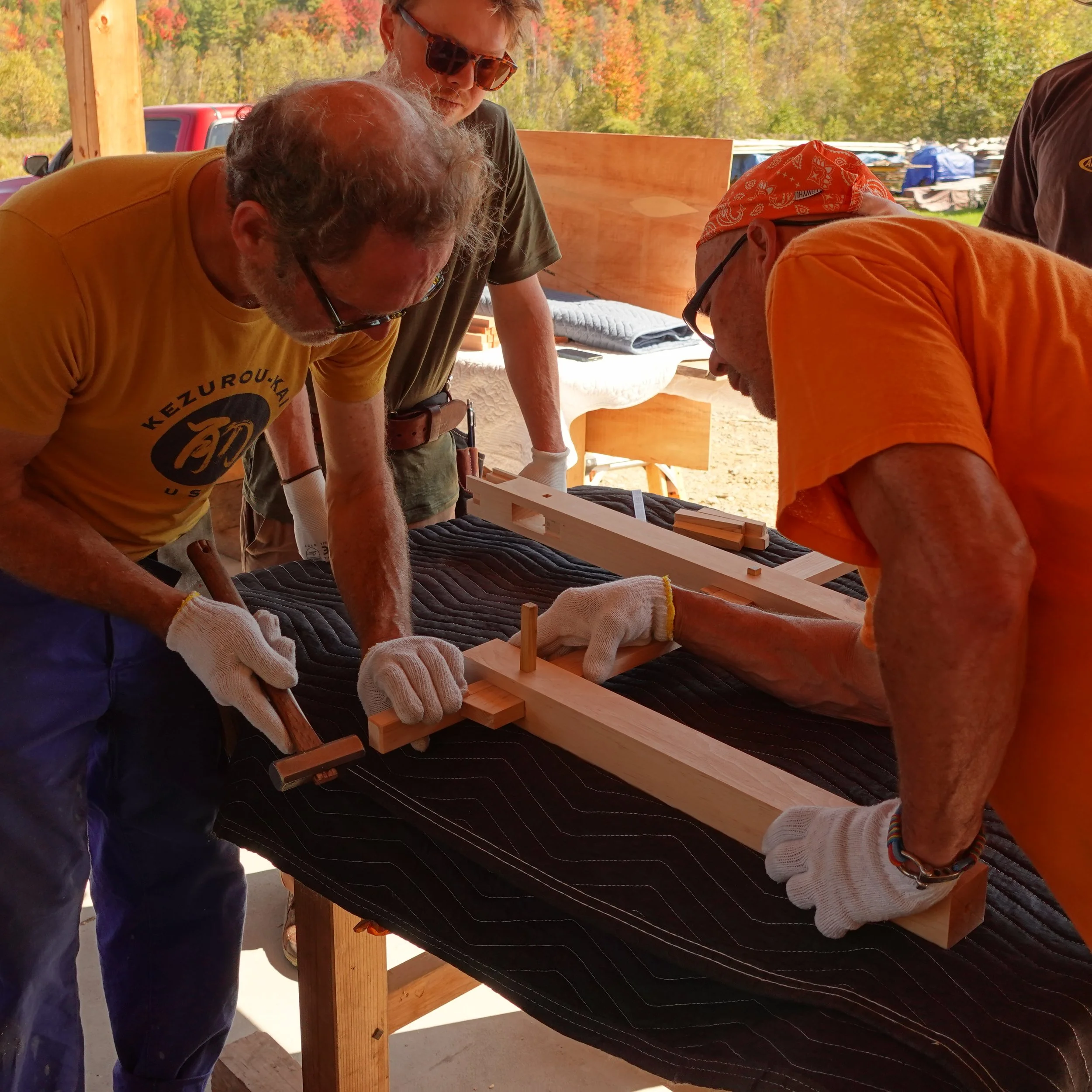
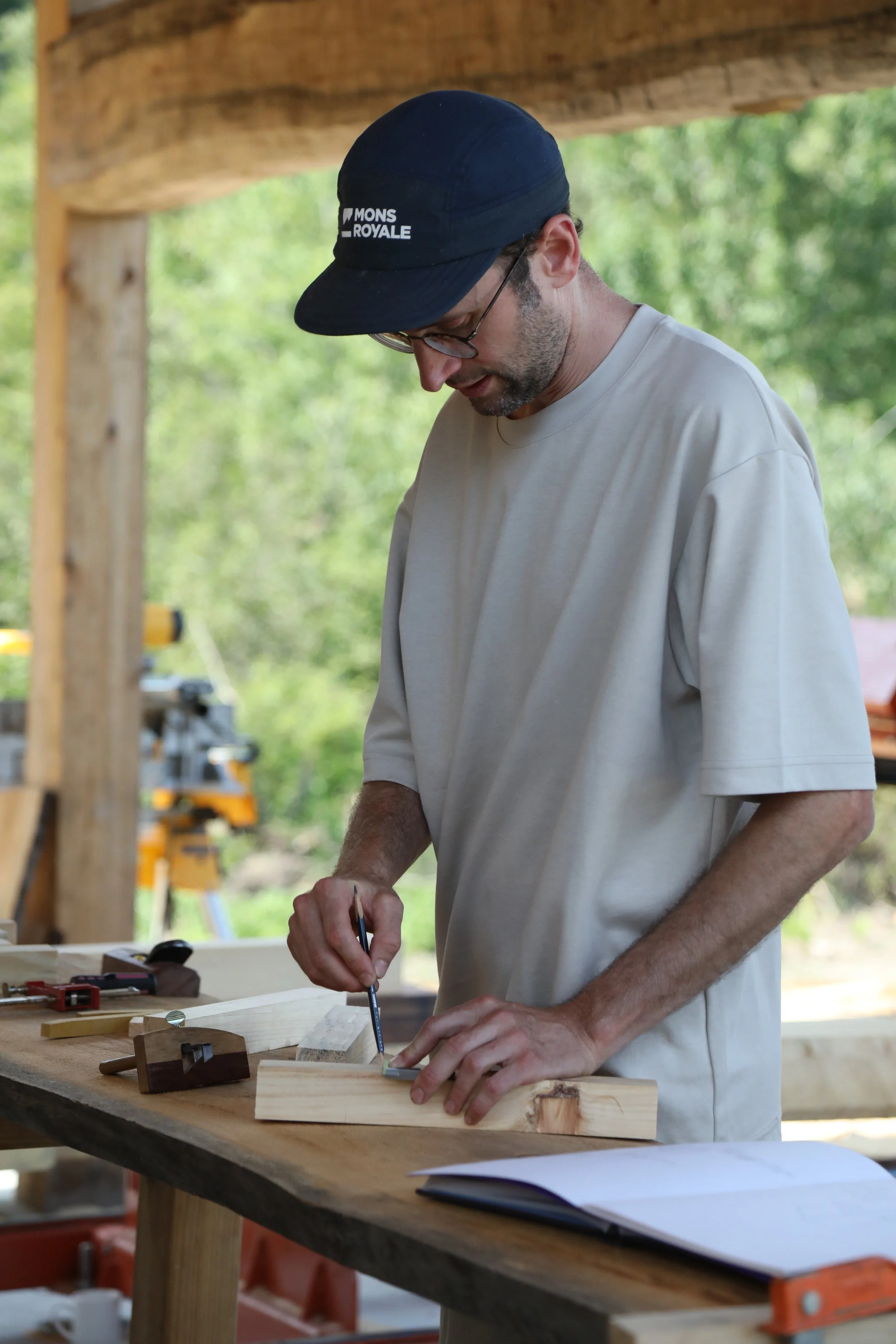
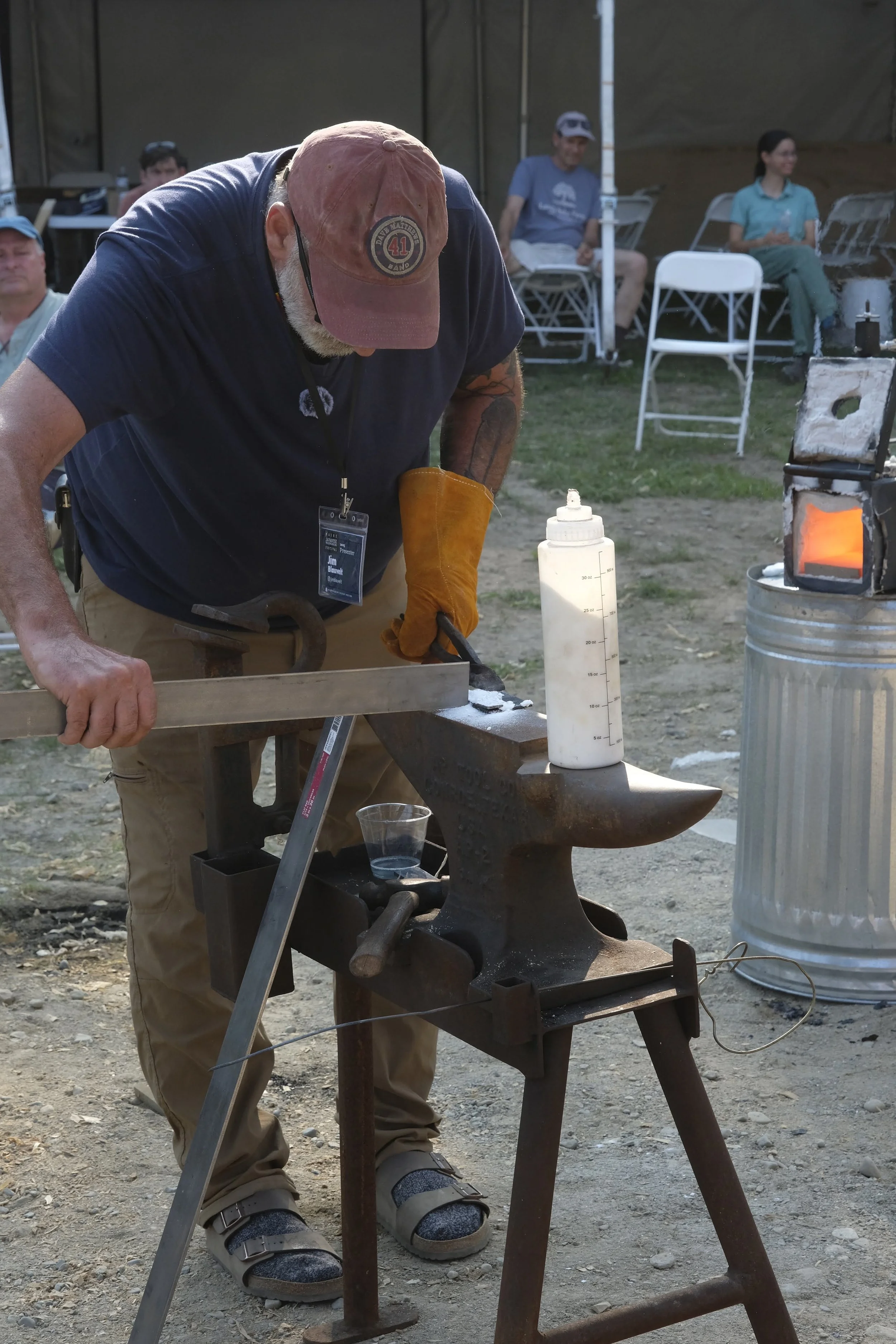
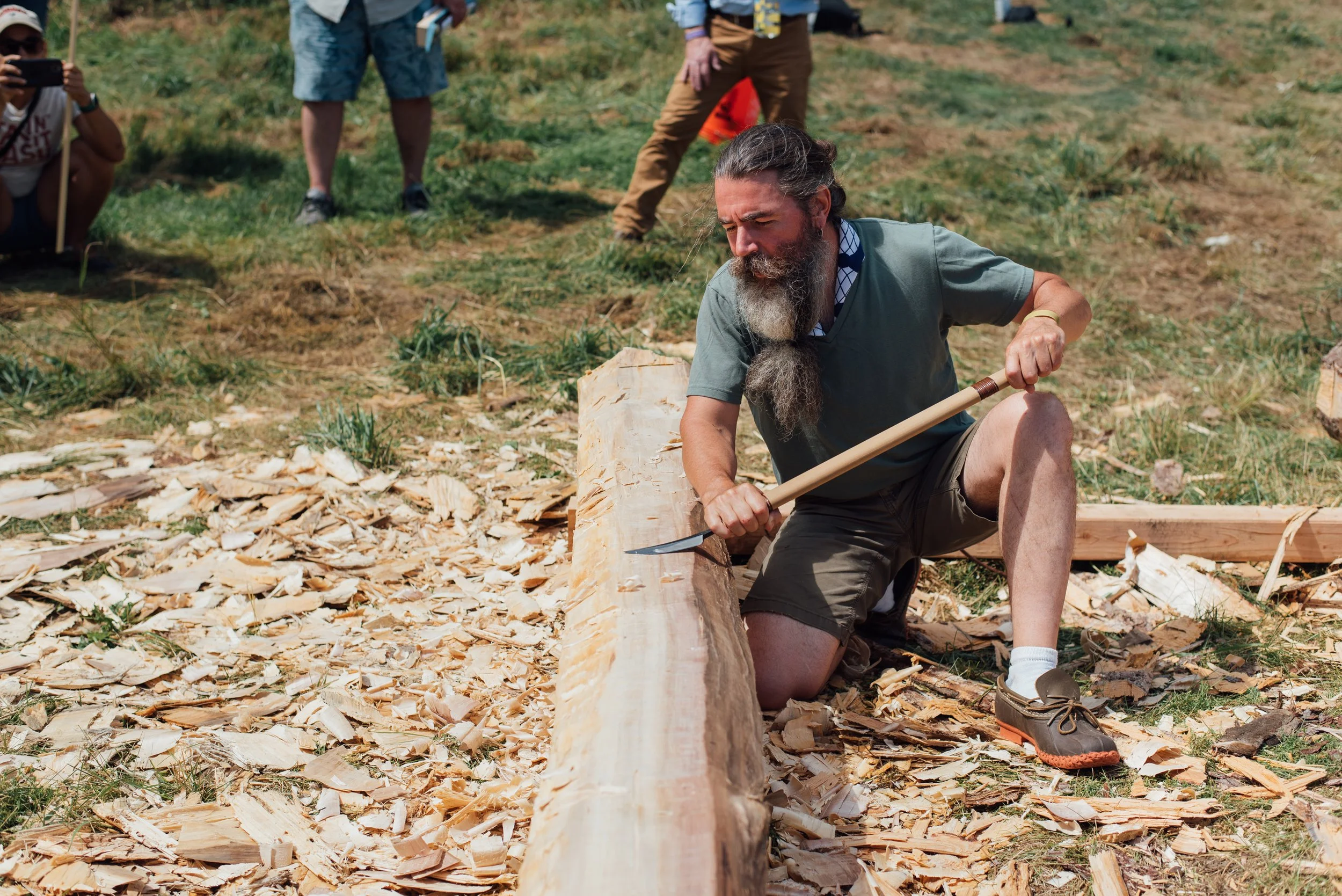
Our mission is to share Japanese craft traditions: woodworking, carpentry, construction, and soon metal working, pottery, and crafts that have endured for centuries.
But importantly, we want to teach the skill of attention.
Our Story
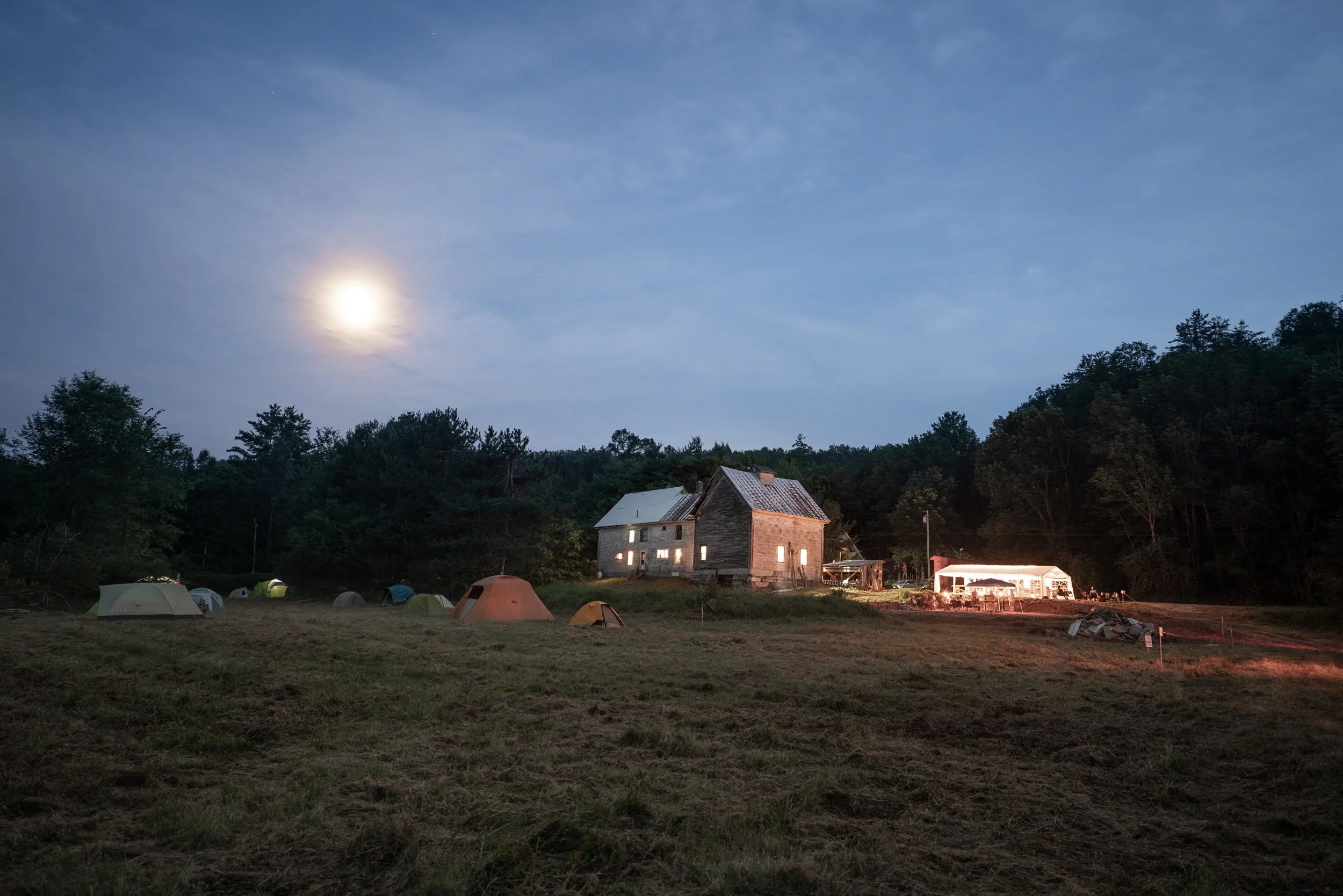
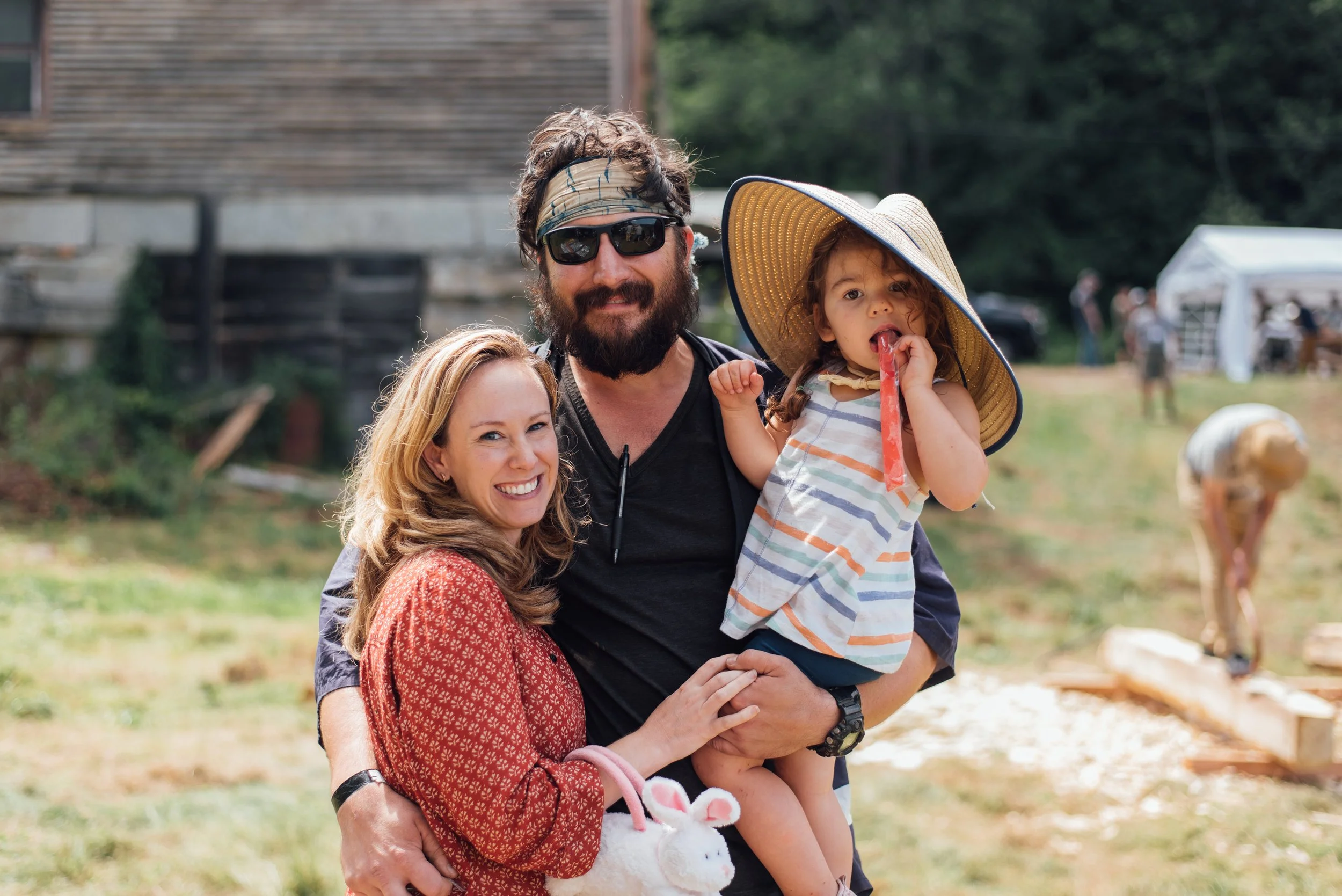
We bought an old farmhouse on a stretch of land in Mercer, Maine with a simple idea: use the space to build beautiful structures and gather people with interest in craft.
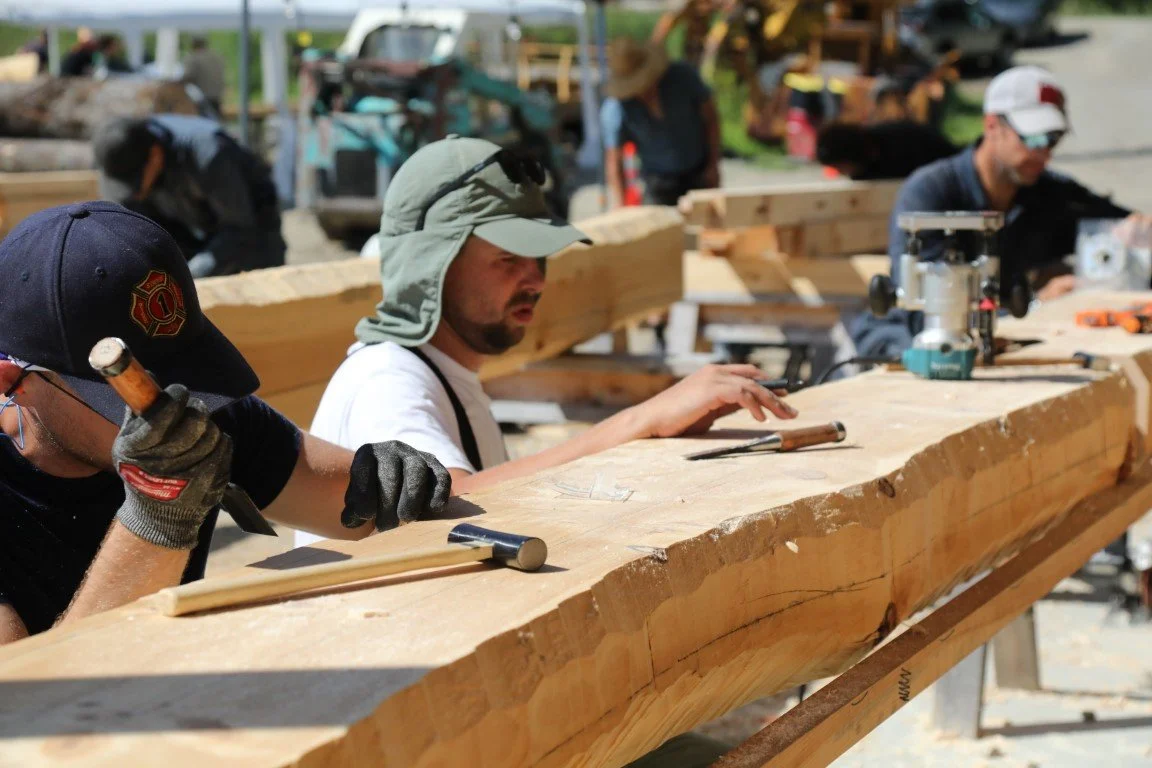
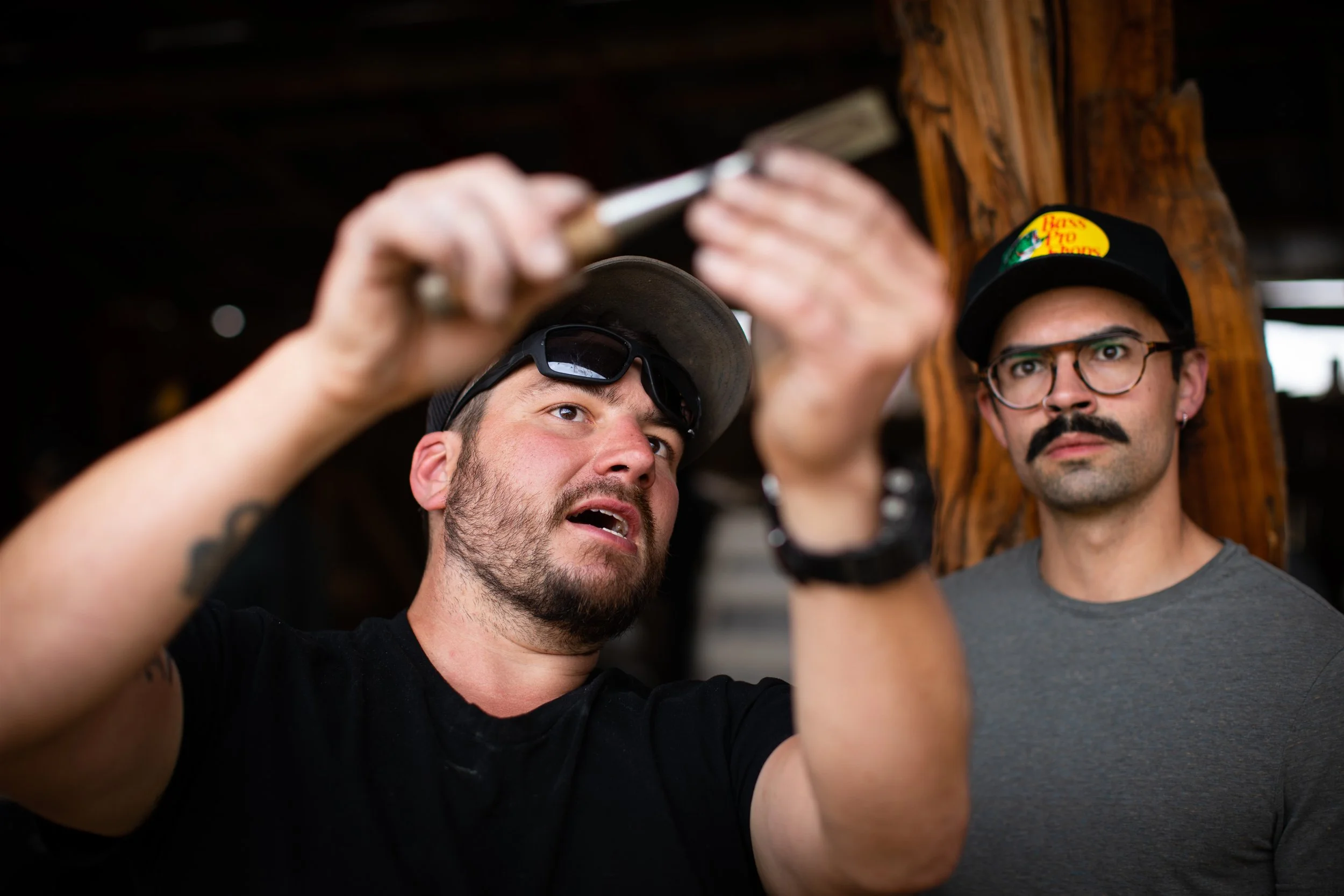
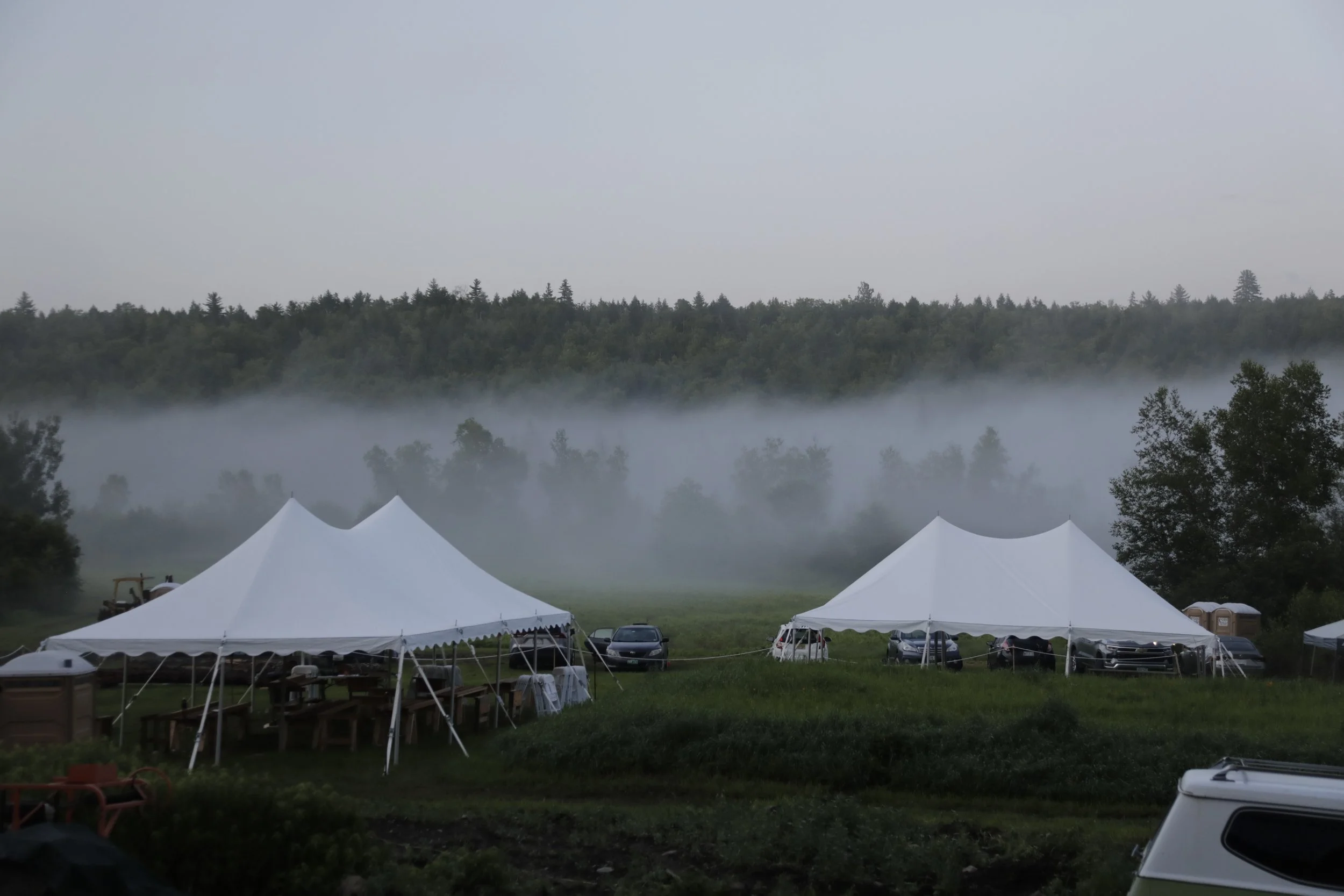
Barely 12 days after moving into our ramshackle home we hosted the first Maine Japanese Woodworking Festival. What began as a focused gathering around Japanese woodworking and carpentry grew over the years pulling attendees from across the country. Blacksmiths, ceramicists, and other craftspeople began to show up. Guests started asking for more: more classes, more disciplines, more time to study.
Workshops and apprenticeships grew out of that demand. Woodworking and carpentry remain at the center of what we do, but the scope has begun to widen to include metalwork, ceramics, and allied traditional crafts grounded in the same values of attention, repetition, and respect for materials.
The Wabi Sabi School for Japanese Craft emerged from that momentum. We desired to make it easier for the most excited and passionate students to attend the workshops. In late 2025 we became a non-profit educational institution, under the Tiny Seed Project fiscal sponsorship umbrella, in an effort to decouple the costs of operating from the costs of tuition. We continue to operate on the same working homestead where our family lives. The campus continues to grow steadily, structure by structure, program by program.
Fiscally Sponsored By Tiny Seed Project
-
Fiscal sponsors serve as the administrative “home” to small projects and organizations whose goals align with the fiscal sponsor’s mission. Tiny Seed provides tax filing, bookkeeping, accounting, and administrative support services, which allows project leaders to focus on their important work taking place on the ground.
-
Yes, through our fiscal sponsor. Fiscal sponsors, like Tiny Seed, have an IRS-recognized 501c3 tax-exempt charitable status, and are nonprofit organizations that sponsor projects to undertake educational, charitable or scientific activities. When a fiscal sponsor agrees to sponsor a project, that project receives the benefits and status of a nonprofit organization without going through the often arduous process of applying for and maintaining 501c3 status with the IRS.
-
Ten percent of all donations goes to our fiscal sponsor, The Tiny Seed Project, to cover administrative oversight and nonprofit compliance.
The remaining funds go directly to the work of the school: student scholarships, instructor stipends, tools and materials, and the continued development of the campus including workshops, equipment, and student housing.